
Subfloor Moisture Removal
Why Subfloor Moisture Removal Matters in Palm Beach
Palm Beach’s coastal climate and older properties often face subfloor moisture issues. Poor ventilation, rising damp, or water ingress can create a damp environment beneath your home, leading to timber rot, mould, and musty odours that spread through living spaces.
Our subfloor moisture removal service targets the source of the problem. Using industrial-grade dehumidifiers, air movers, and moisture barriers, we extract excess water and reduce humidity levels to safe standards. This prevents structural weakening and protects your family’s health.
In Palm Beach, where many homes sit on stilts or have enclosed subfloors, moisture can go unnoticed until damage becomes severe. We inspect for hidden dampness, address drainage issues, and provide solutions tailored to your property’s design.
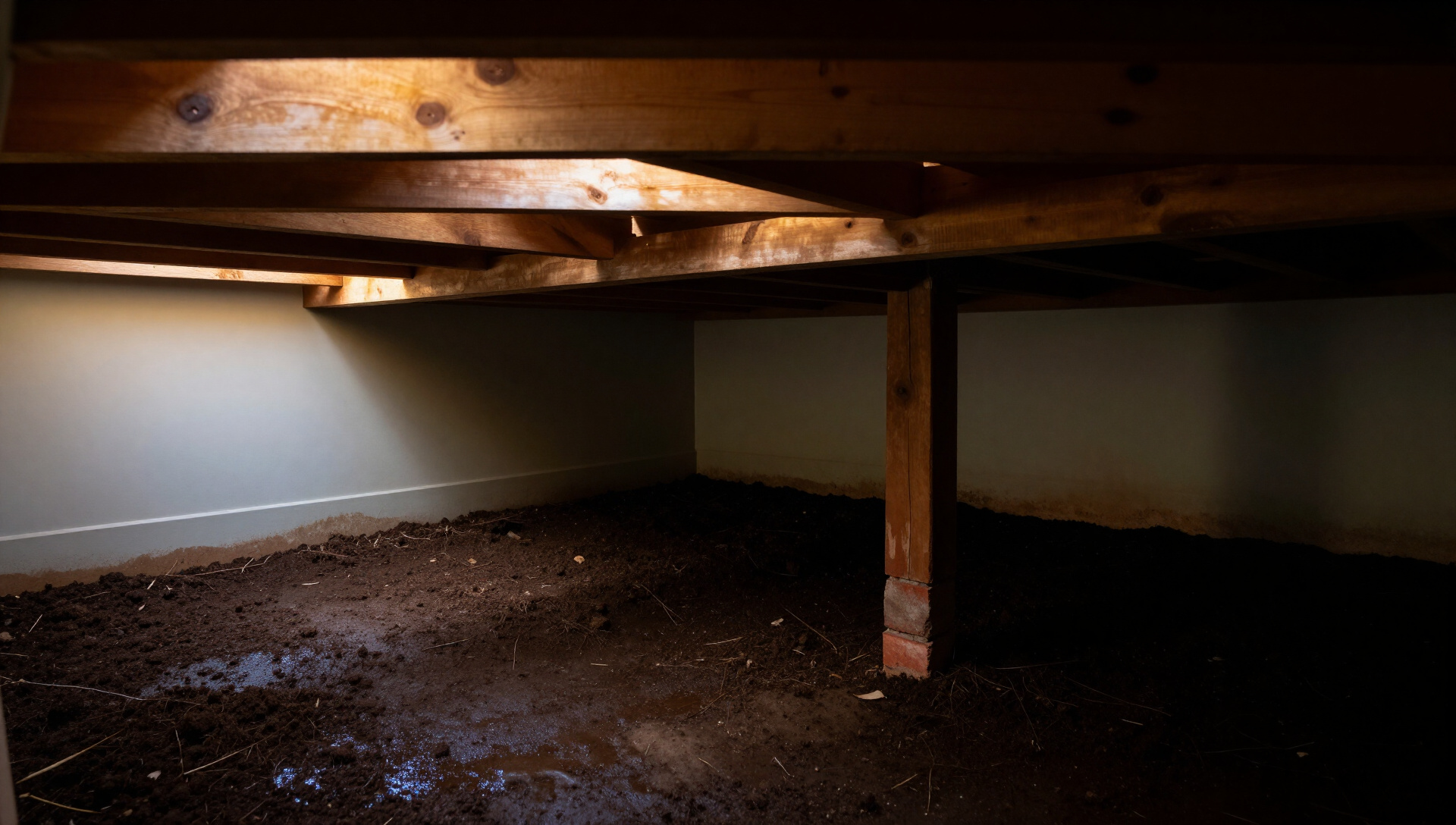
Acting quickly is key. The longer moisture remains, the higher the risk of costly repairs. Our team arrives equipped to start drying immediately, minimising disruption and restoring your home’s integrity.
Signs You Need Subfloor Moisture Removal
Not sure if your Palm Beach property has a subfloor moisture problem? Look for these warning signs:
- Musty or earthy odours rising through floorboards
- Visible mould growth on skirting boards or under the house
- Warped or cupped timber flooring
- Increased humidity or condensation on windows
- Creaking or spongy floors
- Pest activity, such as termites or silverfish
What to Expect After Subfloor Moisture Removal
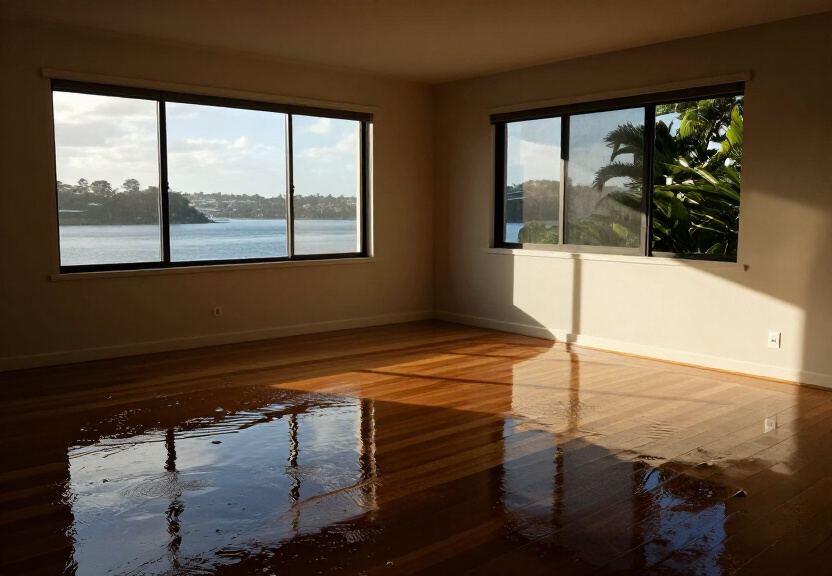
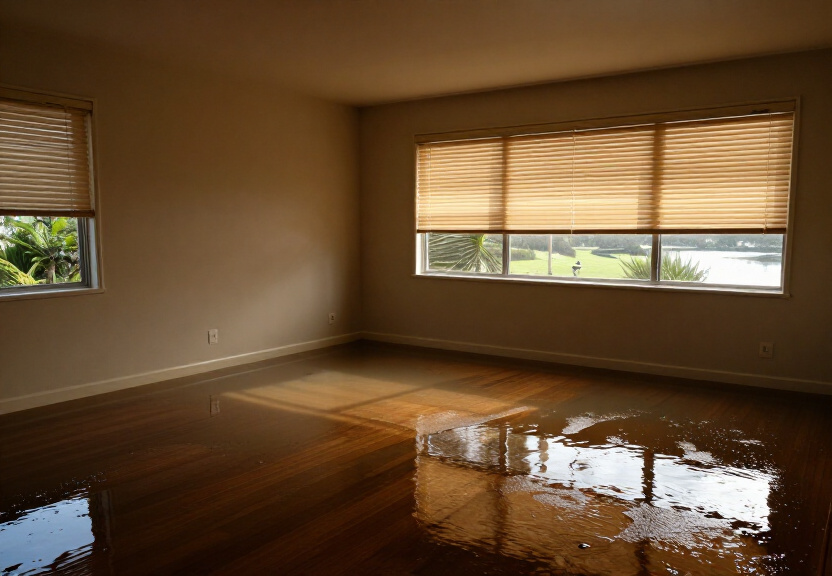
Our process delivers measurable results for Palm Beach homes:
Why Choose Our Palm Beach Subfloor Moisture Removal
- Local expertise in Palm Beach’s unique property types and climate
- Rapid response to prevent further damage
- Advanced drying technology for thorough moisture extraction
- Transparent process with no hidden costs
- Focus on long-term prevention, not just temporary fixes
- Experienced team trained in subfloor ventilation and drainage solutions
Who Needs Subfloor Moisture Removal in Palm Beach?
For Palm Beach Homeowners
Older homes, beachfront properties, and houses with enclosed subfloors are particularly vulnerable to moisture issues in Palm Beach.
- Prevent timber rot and structural weakening in elevated homes
- Eliminate musty odours affecting indoor air quality
- Protect your family from mould-related health risks
For Palm Beach Businesses
Commercial properties, including restaurants, storage facilities, and retail spaces, also require subfloor moisture control.
- Maintain a safe, dry environment for staff and customers
- Prevent stock or equipment damage from damp conditions
- Avoid costly closures due to structural or health hazards
Benefits of Professional Subfloor Moisture Removal
Structural Protection
Excess moisture weakens timber supports, joists, and bearers. Removing it promptly prevents sagging floors, cracks in walls, and other structural issues that can compromise your home’s safety.
Healthier Indoor Air
Mould spores and damp air can trigger allergies, asthma, and respiratory problems. Drying your subfloor improves air quality and reduces health risks for your household.
Odour Elimination
Persistent musty smells are often a sign of hidden moisture. Our process removes the source of the odour, leaving your home fresh and clean.
Long-Term Savings
Addressing moisture early avoids expensive repairs to flooring, walls, and foundations. It also reduces the need for repeated treatments, saving you money in the long run.
Our Commitment to Palm Beach Residents
We stand by the quality of our work and the effectiveness of our solutions. Our goal is to provide lasting results that protect your property and your peace of mind.
Serving Palm Beach and Nearby Areas
We provide subfloor moisture removal services across Palm Beach and surrounding suburbs, including Avalon Beach, Whale Beach, and Mona Vale. Whether you’re dealing with a sudden water leak or long-term dampness, our team is ready to respond.
Frequently Asked Questions About Subfloor Moisture Removal
The duration depends on the extent of the moisture and your subfloor’s size. Most residential jobs take 1-3 days, with follow-up inspections to ensure complete drying. We use high-capacity equipment to speed up the process.
Yes, you can remain in your home. Our equipment is safe and non-invasive, though we may need access to the subfloor area. We’ll work around your schedule to minimise disruption.
Common causes include poor ventilation, rising damp from the soil, plumbing leaks, or water pooling under the house. Coastal humidity and heavy rainfall can also contribute to the problem.
If the underlying cause isn’t addressed, moisture can return. We identify and recommend solutions for ventilation, drainage, or waterproofing to prevent recurrence.
Yes, we prioritise urgent cases. If you notice sudden water ingress, flooding, or rapid mould growth, call us immediately for same-day service in Palm Beach.
Look for musty smells, mould growth, warped floors, or increased humidity indoors. A professional inspection can confirm the presence of moisture and its severity.
What Palm Beach Residents Say
"The team arrived within hours after I noticed a musty smell in my Palm Beach home. They dried the subfloor quickly and explained how to prevent it from happening again. Highly recommend."
"Our restaurant in Avalon Beach had a damp subfloor affecting our storage area. Flood Restoration Service Sydney resolved the issue efficiently, and we haven’t had any problems since."
"I ignored the odour for months until I noticed mould on the skirting boards. The team at Flood Restoration Service Sydney fixed the moisture issue and saved me from costly repairs."
Related Services in Palm Beach
Water Damage Restoration
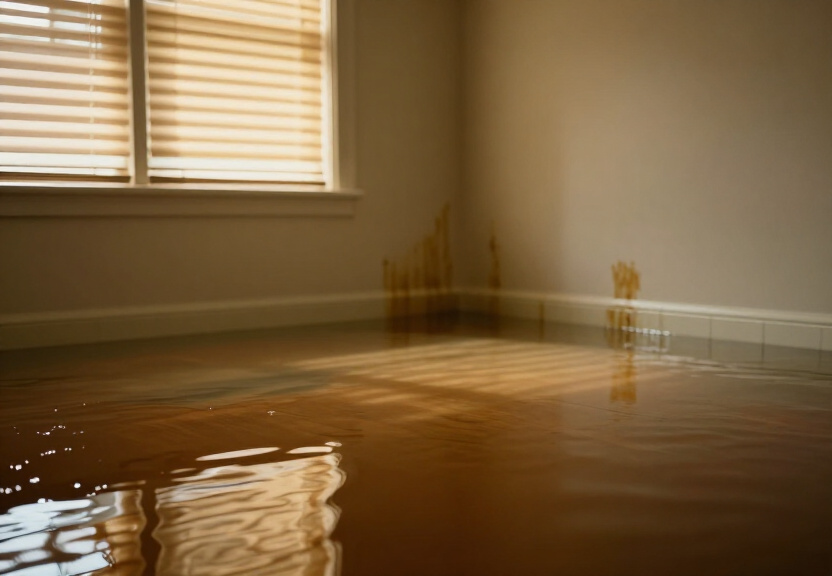
Water damage restoration brings the property back to a safe, habitable state by assessing affected materials and managing the full drying and repair plan. From water-impacted finishes to documentation needs, the service supports a complete recovery approach.
Learn More →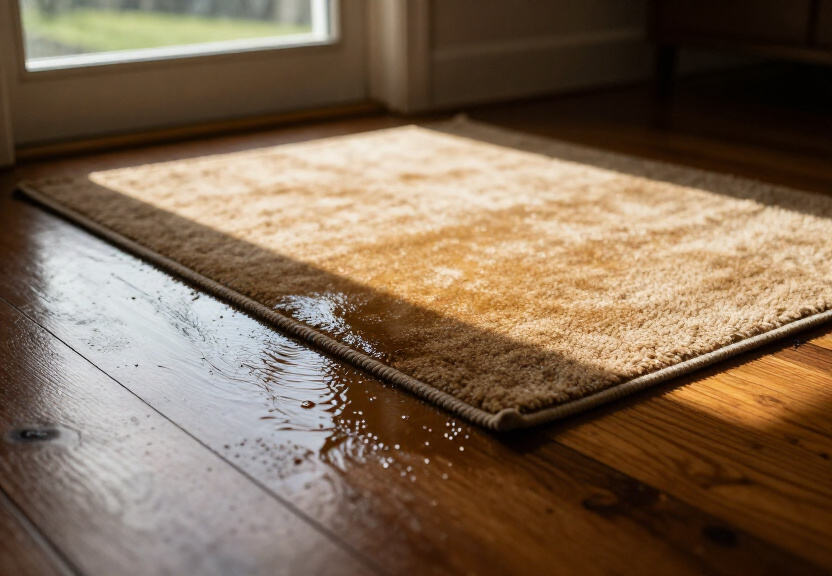
Wet Carpet Drying
Wet carpet drying repositions affected flooring, extracts surface water, and dries fibres and backing without unnecessary reinstallation. Controlled airflow and dehumidification help minimise shrinkage, staining, and persistent dampness that can lead to odours.
Learn More →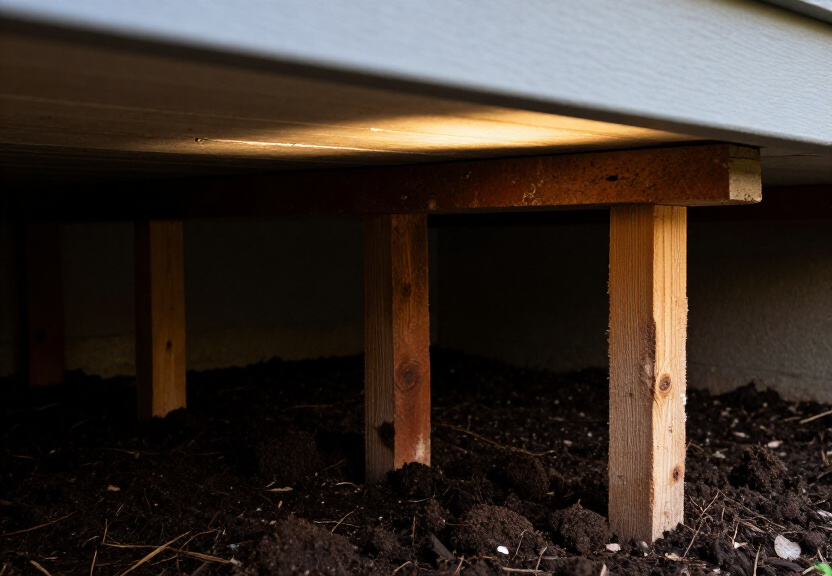
Subfloor Moisture Removal
Subfloor moisture removal tackles dampness beneath flooring where water can pool or wick into timber and other materials. Controlled extraction and drying help protect structural elements and minimise ongoing odour or mould problems.
Learn More →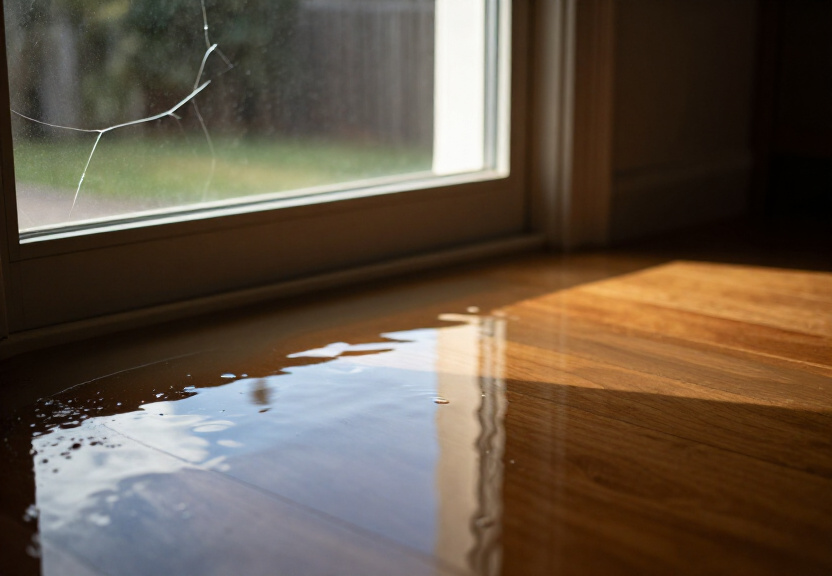
Water Extraction And Removal
Water extraction and removal quickly removes floodwater using appropriate pumps and extraction equipment. Removing bulk water early reduces damage, limits contamination spread, and accelerates the subsequent drying stage for faster recovery.
Learn More →
Structural Drying
Structural drying restores building materials to safe moisture levels using calibrated air movers, dehumidification, and continuous monitoring. This reduces risks like swelling, paint failure, and hidden microbial growth inside walls, floors, and roof spaces.
Learn More →
Sewage Cleanup
For contaminated water incidents, sewage cleanup includes removal of soiled residues and thorough disinfection of impacted surfaces. The workflow focuses on health and hygiene, reducing contamination risk while preparing areas for controlled drying and restoration.
Learn More →
Mould Removal
When mould colonies have formed, mould removal isolates the affected areas and removes contaminated materials safely. After extraction, the space is sanitised so surfaces are ready for drying and rebuild, restoring a cleaner indoor environment.
Learn More →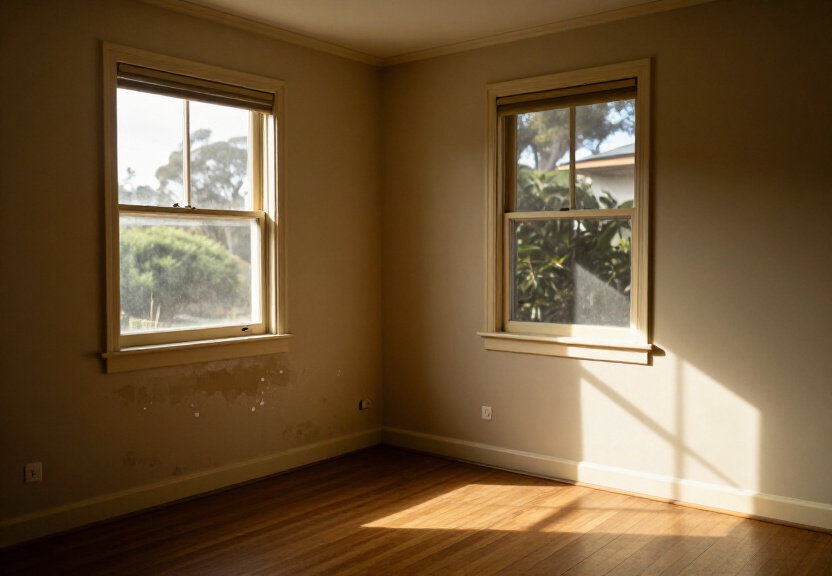
Odour Removal
Persistent flood odours from contaminated finishes and trapped moisture are addressed with targeted odour removal. We use odour control methods designed to neutralise lingering compounds, helping eliminate musty smells rather than simply masking them.
Learn More →
Mould Prevention Treatment
After floodwater recedes, apply mould prevention treatment to affected ceilings, walls, and concealed voids where spores can take hold. The process targets damp substrates and helps reduce the chance of recurring growth while restoration works proceed.
Learn More →